Sign In

The social media chosen by Generation Z holds a sense of “reality.”

Haebom
In recent years, the social media landscape has been changing rapidly. As users grow increasingly weary of the content consumption-focused experience provided by major platforms, new forms of social networking are emerging. These new platforms are developing particularly in a direction that values authentic human connections and personal tastes. Today, I want to introduce three notable services among them: Nospace, Youni, and PI.FYI. All three put greater emphasis on real, offline human relationships.

Nospace: A space that values individuality and connection

Nospace is a social media platform where users can freely express their daily lives and interests. Founded by Tiffany Chung and inspired by MySpace and early Facebook, the service encourages genuine social interaction through personalized profile pages and real-time updates. It not only enables close connections with friends, but also offers opportunities to meet new people who share similar hobbies and interests.

Youni: A platform for sharing real memories

Youni is a platform where users can share the experiences and memories they've made in person. Unlike traditional social media, Youni puts the emphasis on genuine face-to-face interaction rather than virtual exchanges online. The service aims to raise the quality of human relationships, proposing a new paradigm in social networking. Co-founded by Georgia Gibson, Youni helps people forge meaningful relationships through things they can actually do together.

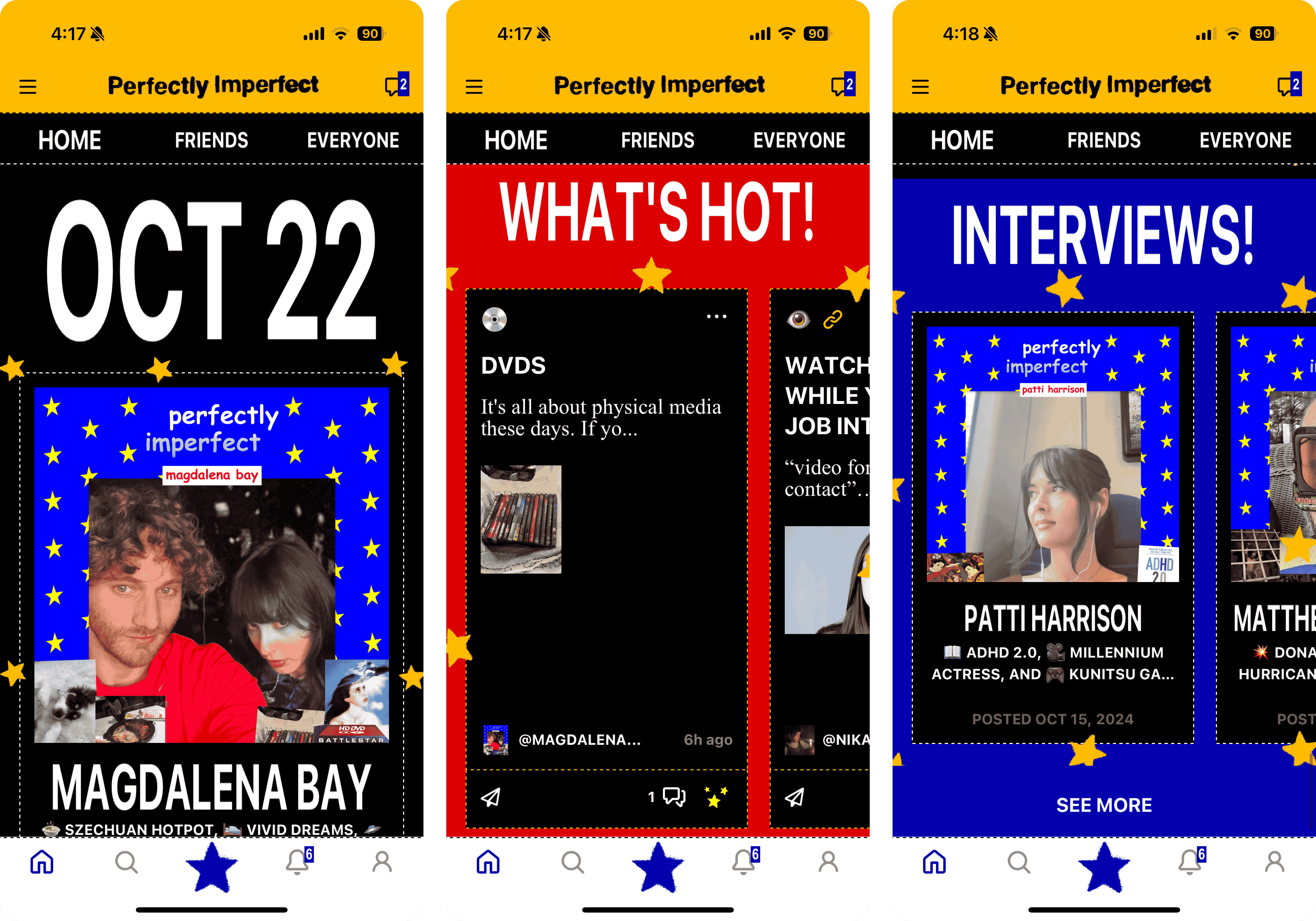
PI.FYI: Networking centered around personal tastes

PI.FYI is a platform focused on sharing users' personal preferences and interests. Founded by Tyler Bainbridge, the service gives people opportunities to get to know each other better by sharing favorite movies, music, recipes, and more. Going beyond automated recommendation systems, PI.FYI makes deeper social experiences possible by offering personalized recommendations based on each user's unique tastes.
All three of these platforms share a common goal: to push beyond the limits of conventional social media. They all highlight the importance of building deeper human connections in real life, rather than just interacting online. Some say this approach comes from a desire to address rising feelings of isolation and worsening mental health issues resulting from social media, especially in the wake of the pandemic.
Through their user-centered approach, these platforms each encourage genuine social interaction in their own way. With Generation Z at the forefront, the emergence of these new platforms is raising expectations about how the future of social media might change.
💬
TMI. In Western countries, Generation Z is often referred to as the Zoom Generation or Zoomers.
Subscribe to 'haebom'
📚 Welcome to Haebom's archives.
---
I post articles related to IT 💻, economy 💰, and humanities 🎭.
If you are curious about my thoughts, perspectives or interests, please subscribe.
haebom@kakao.com
Subscribe
1
밍밍
알지 못했던 좋은 사례들인데.. 잘 읽었습니다 :) 감사합니다. 혹시 해외 관련 사례를 수집하는 좋은 방법이 있을까요?
See latest comments