Sign In

So, who produces the most eco-friendly energy now?

Haebom
Recently, there has been a rising global call for a transition to eco-friendly energy. Especially in the US, EU, and other Western countries, they are eagerly announcing green policies to address climate change. But when we look at their actual actions, something feels off. Ironically, China, which has often been labeled the 'villain', is taking the lead in building renewable energy infrastructure. Still, it's hard to simply say 'the West is bad and China is good.' It seems necessary to take a closer, detailed look at what every party is actually doing.
First, let’s take an objective look at the current situation. According to a recent report from the Global Energy Monitor (GEM), the wind and solar power capacity currently under construction in China is nearly double the total of all other countries combined—an immense 339 GW. In contrast, the US is building 40 GW.
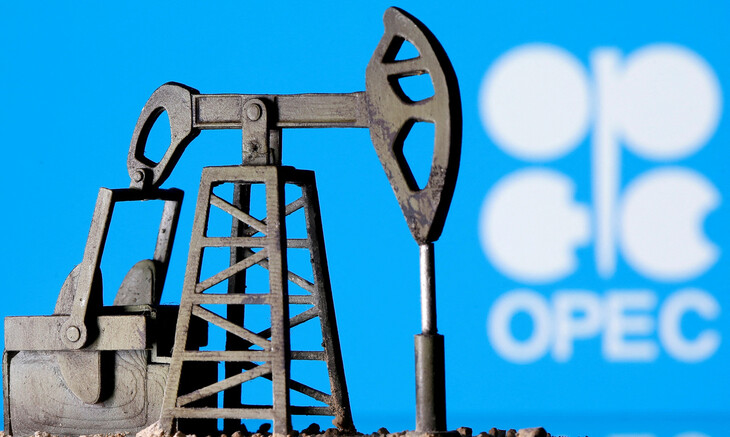
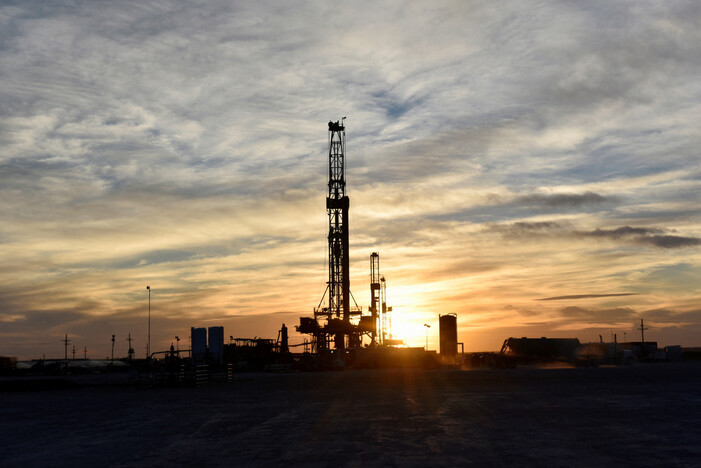
On the other hand, the US and EU are busy ramping up production of shale gas, oil, and natural gas. In particular, the US has become the world's largest oil producer thanks to the shale revolution, and Europe has been sharply increasing its imports of American LNG since its conflict with Russia.
Just looking at things this way, it’s easy to say, ‘the West just talks, while China acts.’ But the reality isn’t so simple. Every side has its own reasons and problems behind their actions.
First, let’s look at where the Western countries are coming from:
1.
Energy security: Ever since the Russia-Ukraine war, energy security has become a big issue. This has meant a greater reliance on fossil fuels in the short term.
2.
Economic interests: The shale industry is a huge contributor to the US economy. Because it generates many jobs and tax revenue, it’s hard for them to give it up easily.
3.
Technical limitations: Massive investment of time and money is required to build large-scale energy storage facilities to solve renewable energy’s intermittency problem.
4.
Political pressure: The fossil fuel lobby still wields a lot of power. They use their influence on politicians to block drastic energy transition policies.
Still, these reasons don’t really justify the actions of Western countries. The gap between their claims about tackling climate change and what they’re actually doing is clearly problematic.
Now, let’s look at China’s position:
1.
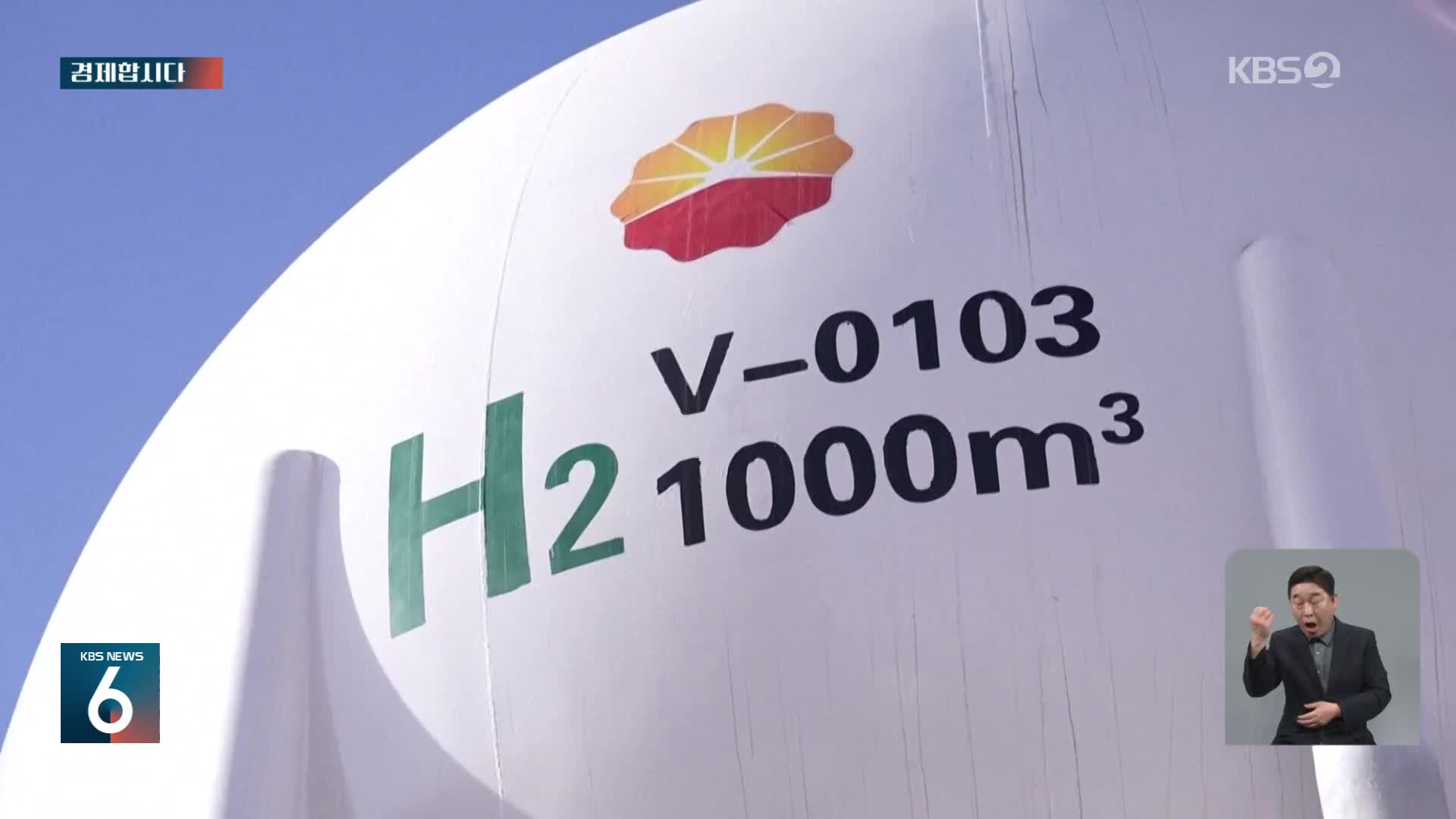
Massive renewable infrastructure: China is, in fact, building truly massive renewable energy facilities. That is a definite positive step.
2.
Securing industrial competitiveness: China considers renewable energy a future economic driver. It’s not just environmental—it’s also an industrial policy.
3.
The urgency of environmental concerns: Given China’s dire air pollution, they have little choice but to push more aggressively for renewable energy.
4.
Centralized decision-making: China’s system allows for swift implementation of large policies. While it can sometimes result in inefficiency, it’s effective for big infrastructure builds.
However, China’s actions aren’t flawless either. They’re still building coal power plants and have among the world’s highest carbon emissions. There are also issues raised about environmental damage and human rights as they expand their renewable energy infrastructure.
In the end, the US, EU, and China all have their own challenges. Western countries need to better align their words with their actions, and China needs to improve its overall environmental policy as it ramps up renewable energy.
Watching this situation, a few questions come to mind:
1.
Which country will truly lead the way in solving climate change?
2.
How can we achieve both renewable energy transition and economic growth at the same time?
3.
How can the international community work together to resolve this issue?
4.
Could technological innovation be the answer here? And if so, what kind of innovation?
At the end of the day, it’s not words but actions that count. Dealing with climate change and shifting to green energy aren’t challenges we can keep putting off. The US, EU, and China all need to reflect on what they’re doing—and actually make real, substantive changes.
We are at a historic crossroads right now. It’s going to be very interesting in the coming years to see who just talks and who actually acts, and how that plays out. In this tangled global situation, which paths will countries choose? And how will our planet change as a result? I’m genuinely curious to see where this all leads.
Subscribe to 'haebom'
📚 Welcome to Haebom's archives.
---
I post articles related to IT 💻, economy 💰, and humanities 🎭.
If you are curious about my thoughts, perspectives or interests, please subscribe.
haebom@kakao.com
Subscribe